My neighborhood is interesting, and you never know what to expect when you walk out the door. I thought nothing could surprise me until one Saturday this summer, around 7:30 a.m. I noticed a young man passed out in a car with the door open and one leg on the ground.
When I approached the vehicle, another woman drove up as I retrieved my phone to call 911. “I already called,” she stated.
Ironically, she happened to be an EMT who had just gotten off work in a neighboring county. The young man in the car was originally passed out at the gate, and she had awakened him before he stopped again near my doorstep.
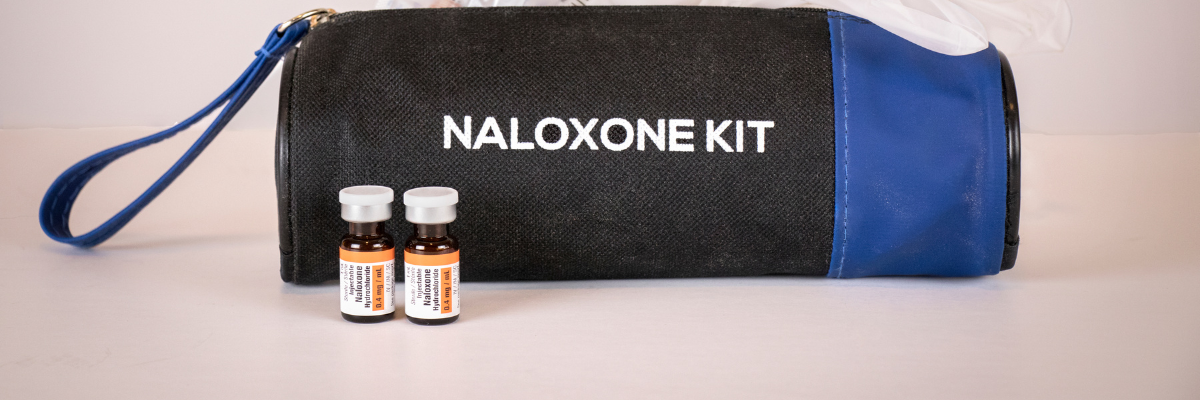
As we waited for emergency officials and noticed the minutes passing by, I told her I was a clergy person and had NARCCAN/naloxone after receiving training from a Cumberland County Community EMT.
She was hesitant because she was off duty and concerned about weapons in the vehicle, so she called 911 back. Being a nosey problem solver, I peeped into the car windows and only noticed a Black & Mild cigar on the seat, but no weapons were visible.
After recounting what we had observed, we were told to proceed with the rescue. I ran to retrieve the naloxone and gloves, and with her assistance and my hands shaking, I administered the nasal spray. Mucus had already started coming out of his nose, but I had to press through being a germaphobe, and I was wearing a glove. We heard the sirens, but they were stalled at the gate. She monitored the man as I ran down the street and waved the fire truck to our location. As the first responders approached, the man finally jumped up and became alert.
These encounters are happening in far too many homes, communities, and near churches of all sizes and across denominations, yet many families and churches don’t want to discuss the elephant that causes deaths that are steadily increasing in our state. One clergy member stated during a clergy breakfast held in the spring, “I don’t know anyone who uses drugs.” If I had said the same when the community EMT asked if I wanted to learn how to administer the Narcan, I would not have had the medication that reverses opiate overdose.
No matter who you are or where you live, you never know when you’ll find someone who has overdosed. Opioids are not just street drugs; your medicine cabinet or wherever you keep your daily meds may be the plug that may lead to overdose.
“That guy must have had a praying mama or grandmama,” I said as I drove away to begin my day. While prayers may have been offered, two strangers concerned about a stranger and access to a lifesaving medication may have been the difference between life and death.
If you believe that empowering members of your faith community to recognize and effectively respond to overdoses is crucial, we invite you to view our recent webinar hosted by PHW to learn how faith communities can get involved. Additionally, we encourage you to explore the potential programming opportunities that your church could provide by joining us at the upcoming event.
Overdose Response Grant-Writing Workshop
Thursday, October 19, 7 p.m.
Online
This workshop is geared toward active PHW Collaborative members who are planning to apply for an overdose response grant. The PHW Team will walk you through what we are looking for in grant applications to help you maximize your chance of an award. Click here to register.
