
This Voices piece is by Brynn White, M.Div, BCC, a board-certified chaplain and the Program Director of Growing Thru Grief in Durham. Her full bio is below.
Before the splendor of fall colors had even arrived, I was asked by two participants of the grief program in Durham that I direct, “What programs are being offered for holiday grief this year?!” The question was asked, both times, with a hint of desperation.
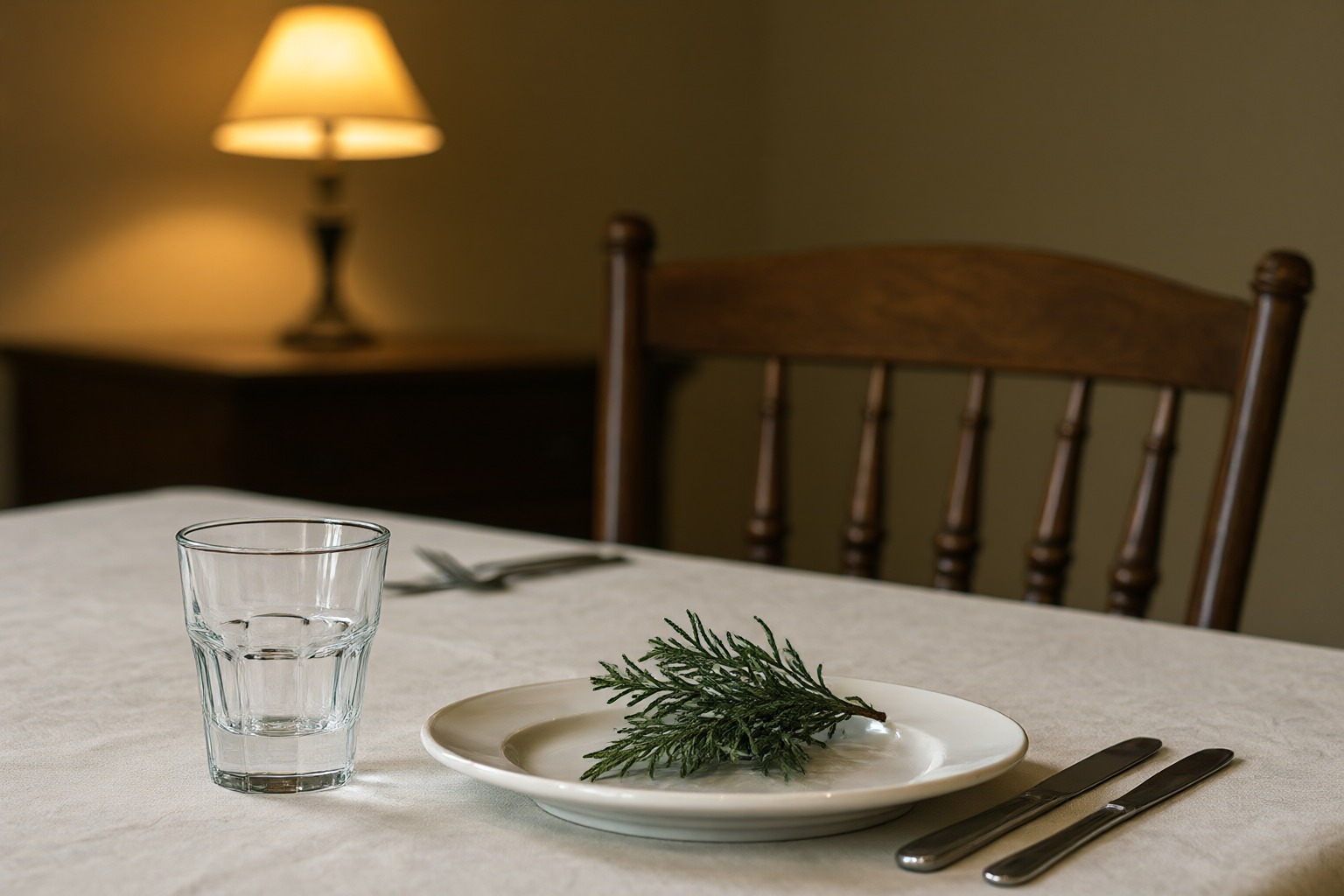
Bereaved people peering out onto the stark landscape of the impending holiday season feel that desperation within their bones. They need support, anchors to get them through one of the most difficult times of the year. The holidays, marked by connection and “togetherness” time, tend to accentuate the agony of an already-present void grief often leaves. The pain that is present leading up to this season of annual rituals, gatherings, and celebrations can feel even more overwhelming during the holidays.
While some people “hunker down,” (or “white-knuckle it,” as one client told me), there are ways to navigate the holidays that can help honor the hard emotions of grief that arise while moving through the season.
- Make a plan ahead of time: The ambiguity and uncertainty that death brings is difficult to navigate, and can feel even more so during the holidays. Rituals and traditions that once held meaning and tenderness may not anymore; some may even fall by the wayside. If you are grieving, you may wonder if you will be invited to a friend’s or family member’s home, or you may be leery of hosting any such gathering in your own home. Working through these details ahead of time helps invite clarity into an already-uncertain time.
- Similarly, decide ahead of time how much time you need to spend in the company of others. The last thing you may want is to be surrounded by joyful, merry people when you are in mourning, and that is okay. Genuinely assess within yourself if there is a part of you that needs to be with company during such a difficult time. I have heard many folks who are grieving express their surprise at just how helpful being with others was when their first inclination was to “hermit through the holidays.” For some, it was what pulled them through.
- Decide ahead of time which traditions you will honor: Some of the traditions that used to bring joy and contentment through the holidays may feel raw and painful now. That is normal, and that is okay. Are there any rituals, even amidst the difficult emotions, you believe would be helpful in your grieving process? Or is there a new tradition that you want to start that honors your deceased loved one?
- Create a simple ritual: Ritual is powerful for healing, and it does not need to be elaborate to be effective. Create a simple ritual (use a special photo, a meaningful memento, and a candle) that makes space for you to honor your loved one. Tell stories about them aloud, recall memories that make you smile, share what you miss the most about them. Let the candlelight symbolize the hope of your growth and healing, or the spirit of your deceased loved one.
- Make space for your grief: Feelings of grief can be overwhelming, especially during the holidays. There is an adage in Acceptance and Commitment Therapy (ACT): “What you’re not willing to have, you will have.” The more we push our grief away, the stronger it will feel. Practice developing a willingness to hold your grief without pushing it away, a little at a time. In time, you will notice that your willingness to hold a little more grief grows the more you practice. You can even imagine your grief as an object or symbol that you are holding and looking at in your hands. This shift—seeing the grief outside of you, tenderly held in your hands—enables even more willingness to allow those hard emotions to be present.
- Remember it is okay to not be okay: You don’t have to “hold it together,” or “push through.” It’s okay to fall apart. The thing we often forget in our grief journey is that the depth of pain we feel in our grief is the depth of love we experienced in life with our departed. The other side of that beautiful love is the pain that comes when they are gone. And falling apart doesn’t mean you are not healing or that you are moving backward in your grief. In fact, it’s just the opposite: moving back and forth between your grief and reengaging with life again is healthy and a sign that you are making progress. Those “bad days” are filled with as much progress as the “good days.”
- Have your key support people on standby: Don’t hesitate to let those key supporters on your grief journey know you might be calling them more over the holidays. While many people’s support falls away over the course of a grief journey, there are those special few who remain. Call upon them and name your need for extra care through the holidays. Those who love you will recognize how difficult the holidays are, and they will want to support you. And it will be helpful for them to know what you need and when you need it.
- Find a support group: Research ahead of time if there are local grief support groups you can attend. Being with others experiencing similar grief ensures we are not alone in our feelings or experience. Support groups offer validation of our story, solidarity with fellow grief journeyers, and space to process our feelings. For those living in the Triangle of NC, Growing Thru Grief is a free support group in Durham that meets every Tuesday evening. Learn more at www.growingthrugrief.org.
ABOUT THE AUTHOR

Brynn White, M.Div, BCC
Brynn White is a board-certified chaplain (APC), ordained in the United Church of Christ, and with seminary training at Vanderbilt Divinity School. She is currently the Program Director of Growing Thru Grief in Durham, NC, a candidate for certification with the NC Board of Fee-Based Pastoral Counselors, and a fellow at Triangle Pastoral Counseling in Raleigh, NC.
With over 12 years of mental health chaplaincy experience in the Department of Veterans Affairs, Brynn brings vast experience in grief, loss, trauma, and mental health. Known for compassionate, inclusive care, Brynn integrates concepts from psychology and theology to support holistic healing.
Brynn is most often sought out for processing and transforming the painful emotions of grief into resilience, wisdom, and growth. While she works with clients needing to process grief from death, she is also very passionate about helping clients work through areas of “disenfranchised grief” (grief from non-death events in life that are often invalidated by society, such as life transitions, family estrangement, divorce/separation, role/identity loss, material loss, illness/disability/functional loss, and “ambiguous loss”). Brynn is committed to helping her clients process areas of disenfranchised grief and accompanying them as they begin to dream and hope anew after significant loss.
